
 By Yuvrajsinh Vaghela
Contents
You have decided to invest in an ecommerce portal. You understand the potential for growth, operational efficiency, and competitive advantage. But when you start exploring your options, you quickly realize that an “ecommerce portal” is not a one-size-fits-all solution.
Should you build a B2B portal for wholesale transactions? A B2C storefront for direct consumer sales? Perhaps a multi-vendor marketplace? The answer depends on your business model, target customers, and long-term growth strategy.
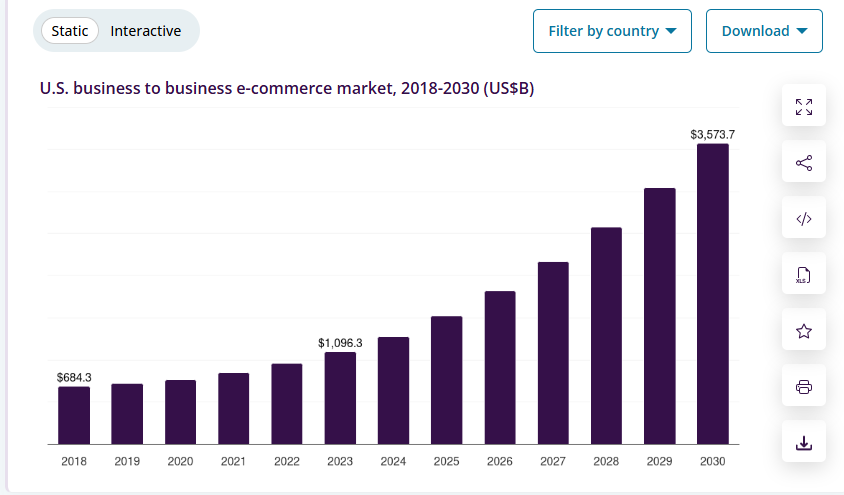
The stakes are high—and the opportunity is massive. According to Grand View Research, the U.S. B2B ecommerce market alone is projected to reach $3.57 trillion by 2030, growing at a CAGR of 18.4%. Choosing the wrong portal type now means rebuilding later—at 2-3x the original cost.
At Monocubed, we have developed 200+ custom web solutions including ecommerce platforms like MoovStore for the Saudi Arabian market and Sayyar, a fashion portal that has processed over 280,000 orders. Through these projects, as a top ecommerce portal development company, we have learned that choosing the right portal type from the start saves significant time, money, and future development headaches.
This guide breaks down the major types of ecommerce portal, helping you understand which architecture aligns with your business objectives. Whether you are a business owner planning your first digital storefront or an enterprise architect evaluating composable commerce solutions, this comprehensive overview will help you make an informed decision.
Let’s explore each portal type in detail.
With these factors in mind, let’s examine the seven primary types of ecommerce portals.
6 Types of Ecommerce Portals You Can Build
The six main types of ecommerce portals are B2C (Business-to-Consumer), B2B (Business-to-Business), Marketplace, C2C (Consumer-to-Consumer), Vendor Portal, and Wholesale Portal—each designed for different business models, target audiences, and transaction complexities.
Here are the types of web portals you can develop for your ecommerce business based on your needs, goals, target audience, and product lists.
1. B2C ecommerce portal
Best for: Direct-to-consumer brands, retail chains, consumer goods companies
B2C (Business-to-Consumer) portals are designed for businesses selling directly to individual consumers. These portals prioritize user experience, fast checkout, and features that drive impulse purchases and customer retention.
Key features of B2C portals
- Visually appealing product catalogs with high-quality imagery
- Streamlined checkout process (ideally under 3 clicks)
- Customer account management with order history
- Wishlist and favorites functionality
- Product reviews and ratings
- Personalized recommendations
- Mobile-responsive design for shopping on any device
- Integration with social commerce platforms
When to choose B2C portal
Choose a B2C portal if you sell products or services directly to end consumers and need to create engaging shopping experiences. This model works well for fashion brands, electronics retailers, consumer goods companies, and D2C (Direct-to-Consumer) startups looking to reduce marketplace dependency.
Our project Sayyar demonstrates effective B2C portal development. The platform serves over 200,000 customers with features like size guides, one-click reordering, and comprehensive order tracking that drive customer loyalty and repeat purchases.
Looking to Build a B2C Ecommerce Portal?
Monocubed has experience developing consumer-focused ecommerce platforms with features that drive conversions and customer retention. Let’s discuss your requirements.
2. B2B ecommerce portal
Best for: Wholesalers, manufacturers, distributors, enterprises with complex pricing
B2B (Business-to-Business) portal development caters to transactions between businesses. Unlike B2C portals that focus on individual purchases, B2B portals must handle complex workflows, including bulk ordering, tiered pricing, approval processes, and account-based relationships.
Key features of B2B portals
- Customer-specific pricing and catalogs
- Quote request and negotiation workflows
- Bulk ordering with quantity-based discounts
- Purchase approval hierarchies
- Credit limit management
- Contract and tiered pricing structures
- Invoice and payment terms management
- Integration with procurement systems
- Role-based access control for buyer organizations
When to choose B2B portal
B2B portals are essential when your customers are other businesses rather than individual consumers. This includes manufacturers selling to distributors, wholesalers serving retailers, or any company where transactions involve negotiations, contracts, and ongoing account relationships.
The complexity of B2B transactions requires portals that can handle multi-user accounts within a single organization, with different team members having different permissions for browsing, ordering, and approving purchases.
3. Marketplace ecommerce portal
Best for: Platform businesses connecting multiple sellers with buyers
Marketplace portals create platforms where multiple vendors can list and sell their products to customers. The marketplace operator facilitates transactions and typically earns revenue through commissions, listing fees, or subscription models.
Key features of marketplace portals
- Multi-vendor onboarding and management
- Vendor dashboards with sales analytics
- Product listing approval workflows
- Commission calculation and payment splitting
- Vendor performance monitoring
- Customer dispute resolution systems
- Rating and review systems for both products and vendors
- Unified shopping cart across multiple vendors
- Centralized inventory visibility
Types of marketplace models
| Marketplace Model | Description | Examples |
|---|---|---|
| Horizontal Marketplace | Offers a wide range of products across multiple categories | Amazon, eBay |
| Vertical Marketplace | Focuses on a specific industry, niche, or product category | Etsy (crafts), StockX (sneakers) |
| Hybrid Marketplace | Combines first-party inventory with third-party sellers | Walmart, Target |
When to choose marketplace portal
Choose a marketplace model if you want to create a platform business rather than holding inventory yourself. Marketplaces are powerful for scaling quickly by leveraging third-party sellers, but they require sophisticated systems for vendor management, quality control, and transaction facilitation. They are a good choice if you are looking for B2B marketplace portal development.
Monocued developed MoovStore as a multi-vendor marketplace for Saudi Arabia, incorporating bilingual support (Arabic and English), multiple payment gateways, and comprehensive vendor management features that enable the platform to scale with new sellers.
3. C2C marketplace portal
Best for: Peer-to-peer selling platforms, classifieds, resale markets
C2C (Consumer-to-Consumer) portals enable individuals to buy and sell to each other. The platform provides the infrastructure for transactions while users act as both buyers and sellers.
Key features of C2C portals
- User registration with dual buyer/seller roles
- Listing creation tools for sellers
- Location-based search and discovery
- Direct messaging between buyers and sellers
- Escrow payment systems for transaction security
- User verification systems
- Rating and review systems
- Report and moderation tools
- Saved searches and alerts
When to choose C2C portal
C2C portals work well for secondhand goods markets, local services, rental platforms, and any model where individuals transact with each other. The key challenge is building trust between strangers, which requires robust verification, rating systems, and secure payment handling.
4. Vendor portal
Best for: Businesses managing supplier relationships, enterprise procurement
Vendor portals differ from customer-facing ecommerce in that they serve suppliers and partners rather than end buyers. These portals streamline procurement, supplier management, and B2B relationship maintenance.
Key features of vendor portals
- Supplier onboarding and credential management
- Catalog and pricing updates by vendors
- Purchase order management
- Invoice submission and reconciliation
- Performance dashboards and analytics
- Compliance document management
- RFQ (Request for Quote) workflows
- Inventory availability sharing
- Communication and collaboration tools
When to choose vendor portal
Vendor portals are essential for enterprises managing dozens or hundreds of suppliers. They reduce manual coordination, ensure consistent processes, and provide visibility into supplier performance. Retail chains, manufacturers, and distribution companies particularly benefit from dedicated vendor portals. To understand how these platforms are built, explore this guide on ecommerce vendor portal development.
5. Wholesale ecommerce portal
Best for: Distributors, manufacturers with dealer networks
Wholesale portals serve businesses selling in bulk quantities to resellers, retailers, or large organizations. While similar to B2B portals, wholesale portals are specifically optimized for high-volume transactions with volume-based pricing structures.
Key features of wholesale portals
- Minimum order quantities and bulk pricing tiers
- Case/pallet quantity management
- Dealer and distributor account structures
- Territory management
- Private labeling and dropship capabilities
- Inventory reservation systems
- Backorder management
- Integration with warehouse management systems
When to choose wholesale portal
If your primary business model involves selling large quantities to other businesses for resale, a wholesale portal optimizes for those specific workflows. The key difference from general B2B portals is the emphasis on volume-based operations and supply chain integration.
6. Omnichannel ecommerce portal
Best for: Retailers with physical stores, multi-channel brands
Omnichannel portals unify online and offline commerce, providing customers with consistent experiences across web, mobile, in-store, and other touchpoints.
Key features of omnichannel portals
- Unified inventory across online and physical locations
- Buy online, pickup in-store (BOPIS)
- Ship-from-store capabilities
- Cross-channel order management
- Unified customer profiles across touchpoints
- Store locator integration
- In-store kiosk interfaces
- Real-time inventory visibility
- Unified loyalty program management
When to choose omnichannel portal
Omnichannel development is essential for retailers with both physical and digital presence who want to provide seamless customer experiences. According to industry research, customers who shop across multiple channels have significantly higher lifetime value than single-channel customers.
Need Help Determining Your Portal Type?
Our team can help you evaluate your business requirements and recommend the right portal architecture. Get expert guidance before making your technology investment.
How to Choose the Right Ecommerce Portal Type ( Based On Your Needs)
To choose the right ecommerce portal type, evaluate six critical factors: your customer type (B2B, B2C, or hybrid), seller model (single vendor or marketplace), transaction complexity, pricing model, integration requirements, and long-term growth strategy.
Selecting the wrong portal type leads to increase in web portal development costs and platforms that fail to meet customer needs. Evaluate these six critical factors before making your decision:
| Factor | Questions to Consider |
|---|---|
| Customer Type | Are you selling to businesses, consumers, or both? |
| Seller Model | Are you the only seller, or will you host multiple vendors? |
| Transaction Complexity | Simple purchases or complex workflows (quotes, approvals, contracts)? |
| Pricing Model | Fixed prices, volume discounts, negotiated contracts, or customer-specific? |
| Integration Needs | What existing systems (ERP, CRM, WMS) must connect? |
| Growth Strategy | Will your model evolve over time (e.g., B2C to marketplace)? |
1. Identify your customer type
Your customer base determines fundamental portal requirements. Business buyers and individual consumers have different expectations and behaviors that shape every decision about features and architecture.
- B2C (selling to consumers): Consumer purchase decisions are emotional and impulse-driven. Your portal needs fast, visually appealing experiences with high-quality imagery, simple checkout (under 3 clicks), and social proof through reviews and recommendations. B2C typically means lower order values but higher transaction volumes during peak periods.
- B2B (selling to businesses): Business buyers make rational, budget-conscious decisions requiring internal approval from multiple stakeholders. B2B portals need robust account management with complete order history, easy reordering, and multi-user access with role-based permissions. Order values are significantly higher, but transactions occur less frequently (monthly or quarterly).
- Hybrid (both consumers and businesses): Selling to both requires separate portal experiences or an adaptive system that adjusts by user type. Your pricing logic must handle fixed retail prices and negotiated business rates, while account structures support both individual profiles and multi-user business organizations.
2. Define your seller model
Your seller model determines whether you need single-tenant architecture or multi-vendor capabilities, directly impacting portal complexity and cost.
Single seller model: You control all inventory, pricing, and fulfillment operations. This creates simpler architecture with straightforward catalog management and full control over customer experience. Works well for D2C brands, traditional retailers moving online, and manufacturers selling directly.
Marketplace model: Third-party sellers list products on your platform while you facilitate transactions. Requires vendor onboarding systems, seller dashboards, product approval workflows, commission engines, and automated payouts. Architecture complexity increases significantly to handle multiple catalogs, varying pricing structures, and different fulfillment sources.
3. Assess your transaction complexity
Transaction complexity fundamentally changes portal requirements.
Simple B2C transactions: Customers browse, add to cart, checkout, pay, and receive confirmation. This straightforward flow allows focus on conversion optimization and reducing cart abandonment.
Complex B2B workflows: B2B transactions require quote management (request submission, customized pricing, negotiation cycles), approval hierarchies (multi-level authorization based on thresholds), and contract-based purchasing (pre-negotiated agreements with pricing, quantities, and delivery schedules). Your portal must track contract utilization and enforce terms.
4. Determine your pricing model
Pricing complexity often determines whether you need straightforward implementation or highly customized solution. It also impacts the ecommerce portal development cost and defines your budget.
- Fixed pricing: Every customer sees the same price. Standard B2C model with simple structure, though you can add promotional discounts and seasonal sales.
- Volume-based pricing: Prices decrease as order quantities increase, requiring tiered pricing tables and dynamic calculation.
- Customer-specific pricing: Different prices per customer based on individual agreements, requiring segmentation and price list management for potentially thousands of accounts.
- Contract pricing: Locked prices for defined periods with committed volumes and penalty clauses.
- Dynamic pricing: Automatic adjustments based on demand, inventory, competitor pricing, or customer behavior, requiring integration with pricing engines.
5. Map your integration requirements
Ecommerce portals must integrate with existing business systems to function effectively:
- ERP Systems (SAP, Oracle, NetSuite): Manage financial data, inventory levels, and fulfillment operations.
- CRM Systems (Salesforce, HubSpot): Maintain customer profiles and track interactions.
- Warehouse Management Systems: Control inventory storage, picking, packing, and shipping.
- Payment Gateways: Enable transaction processing with regional payment methods.
The more integrations you need, the more important flexible, extensible portal architecture becomes.
6. Plan your growth strategy
Building for today without considering tomorrow leads to expensive rebuilds. Consider these expansion scenarios:
- B2C to B2B customer addition
- Single seller to marketplace evolution
- Domestic to international expansion (multi-currency, multi-language)
- Online-only to omnichannel retail
Amazon started as a B2C bookstore, evolved into a marketplace, added B2B capabilities through Amazon Business, and expanded into physical retail. Flexible, modular architecture from the start makes these transitions possible without complete platform rebuilds.
Technology Considerations for Ecommerce Portal Development
Key technology considerations for ecommerce portal development include choosing between monolithic, headless, or composable architecture, and deciding between custom development, platform-based solutions (Shopify, Magento, BigCommerce), or a hybrid approach.
Architecture approaches:
- Monolithic platforms (all-in-one solutions)
- Headless commerce (separate frontend and backend)
- Composable/MACH architecture (microservices, API-first, cloud-native, headless)
Platform options:
- Custom development for unique requirements
- Platform-based solutions (Shopify, Magento, BigCommerce)
- Hybrid approaches combining platforms with custom components
At Monocubed, we typically recommend custom web portal development for businesses with unique requirements that standard platforms cannot accommodate efficiently. Our team works with technologies including Laravel, PHP, React, Node.js, and Ruby on Rails to build scalable ecommerce solutions.
Choose the Right Partner While Selecting Your Ideal Ecommerce Portal Type
When selecting an ecommerce portal development partner, look for proven experience, full-stack technical expertise, regional market knowledge, and a strategic approach that aligns portal architecture with your business model.
Choosing the right development partner is as important as choosing the right portal type. Here’s what Monocubed brings to ecommerce portal projects:
- Proven experience: With 200+ successful projects and a 98% client satisfaction rate, we have delivered ecommerce solutions across diverse industries and business models.
- Full-stack expertise: Our team of experienced ecommerce developers works across React, Node.js, Laravel, Ruby on Rails, and more, allowing us to recommend and implement the right technology for your needs.
- Regional expertise: Projects like MoovStore demonstrate our ability to build portals that meet specific market requirements, including multi-language support, local payment integrations, and regional compliance.
- Strategic approach: We start with understanding your business model before recommending solutions, ensuring you build the right type of portal from day one.
Ecommerce Portal Projects Delivered by Monocubed
Our portfolio demonstrates expertise across multiple ecommerce portal types. Here are two recent projects that showcase our capabilities:
Sayyar – B2B/B2C fashion ecommerce platform
A bilingual fashion ecommerce platform with 280,000+ orders processed. Features include SAP integration for real-time inventory sync, Arabic-English RTL support, local payment gateways (Mada, Apple Pay, STC Pay), and customer-specific B2B pricing.
Clothing store – B2C ecommerce platform
A fast-to-market B2C eCommerce platform with product variants, mobile-optimized checkout, customer accounts, and secure payment processing—delivered using our proven ecommerce components.
Selecting the right ecommerce portal type sets the foundation for your digital commerce success. Here are the key takeaways:
- B2C portals prioritize consumer experience and conversion optimization
- B2B portals handle complex business workflows, pricing, and account relationships
- Marketplace portals connect multiple vendors with customers at scale
- C2C portals enable peer-to-peer transactions with trust mechanisms
- Vendor portals streamline supplier management and procurement
- Wholesale portals optimize for high-volume bulk transactions
- Omnichannel portals unify online and offline commerce experiences
The best choice depends on your business model, customer types, and growth strategy. Many successful businesses combine multiple portal types as they expand.
Discuss Which Ecommerce Portal Type Fits Your Business?
We will evaluate your requirements and recommend the right approach based on 6+ years of ecommerce development experience.
Frequently Asked Questions
-
What is the difference between an ecommerce website and an ecommerce portal?
An ecommerce website typically offers basic online shopping features like product listings, shopping carts, and checkout. An ecommerce portal provides more comprehensive functionality including customer account dashboards, order management systems, inventory synchronization, integration with enterprise systems (ERP, CRM), and advanced features like custom pricing, approval workflows, or vendor management depending on the portal type.
-
Which type of ecommerce portal is best for a wholesale business?
For wholesale businesses, a B2B portal with wholesale-specific features is typically the best choice. Key features should include minimum order quantities, volume-based tiered pricing, dealer/distributor account structures, case and pallet quantity management, and integration with inventory and warehouse management systems. If you also want to sell to end consumers, consider a hybrid B2B/B2C portal approach.
-
How long does it take to develop a custom ecommerce portal?
Development timelines vary by portal complexity. A basic B2C portal typically takes 2-4 months, while a B2B portal with complex workflows may require 4-8 months.
Multi-vendor marketplaces often take 6-12 months for comprehensive functionality.
Enterprise omnichannel solutions can extend to 8-18 months.
Factors affecting timeline include custom features, integrations, and vendor selection.
-
Can I start with one portal type and expand to another later?
Yes, but planning for this possibility from the start is important. Building on a flexible, modular architecture makes it easier to add capabilities over time.
For example, a B2C brand might expand to include marketplace features, or a B2B company might add a B2C channel.
Discussing your long-term growth strategy during initial planning helps ensure your architecture can accommodate future expansion without complete rebuilds.
-
How much does ecommerce portal development cost?
Ecommerce portal development costs range from $25,000 for basic B2C implementations to $500,000+ for complex enterprise omnichannel solutions. Key cost factors include portal type, feature complexity, third-party integrations, custom design requirements, and development team location.
-
What is the difference between an ecommerce website and an ecommerce portal?
An ecommerce website typically handles basic functions like product listings, shopping cart, and checkout. An ecommerce portal is more comprehensive—it includes customer dashboards, order management systems, inventory synchronization, and integrations with enterprise systems like ERP and CRM. If you need advanced functionality beyond simple transactions, you need a portal, not just a website.
-
How do I decide which type of ecommerce portal to build?
The right portal type depends on three key factors: who your customers are (businesses, consumers, or both), who your sellers are (only you, multiple vendors, or customers themselves), and what level of transaction complexity you require (simple purchases, bulk orders, quotes, or contracts).
Answering these questions will help you choose between B2C, B2B, marketplace, or other portal types.
-
What is the difference between a web portal and a website?
A website is typically informational and provides one-way communication. A web portal is interactive and personalized—it offers user logins, dashboards, data management, and integrations with backend systems.
For a detailed comparison, check out our guide on web portal vs website.
 All our projects are secured by NDA